Super User
Alopcia - Where to turn
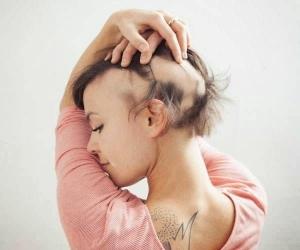
We know that many of you have found it useful to read of the experiences of others with alopecia. This is why our blogs are so popular and why so many of you have chosen to search the internet for stories about alopecia.
Does my hair loss mean I have a thyroid condition?
“According to the Academy of Dermatology, almost half of the American population experiences thinning hair by the age of 40, but people with certain thyroid conditions may start to lose their hair even earlier and more quickly,” reported Foxnews.com.
Female Baldness: Why Do Some Women Lose Their Hair?

Women put so much value on their hair, it can be heartbreaking — even more so than for men — when it starts to thin or fall out. Yet, despite hair loss affecting 21 million women in the United States, the issue is still seen as a male-focused problem.
Let's Talk: Why do we never talk about female hair loss?
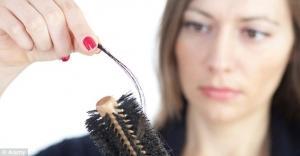
While few people are happy about male hair loss, it is at least a possibility that can be openly discussed; understood; prepared for.
Hair Loss and Self Esteem

In past articles we have have discussed the fact that losing your hair can cause depression and anxiety and sadly, some of the medications used to treat these conditions can contribute to hair loss. It puts you between a rock and a hard place and you are left with a feeling of low self esteem.
Hair Facts
Many conditions and diseases can result in hair loss, as can improper hair care.
The most common cause of hair loss is hereditary thinning or baldnessaldo known as androgenic alopecia or pattern baldness.
Medication That Can Cause Hair Loss

There are many reasons your hair might be falling out, including the side effects of certain medications. Find out if a medication you are taking is causing temporary hair loss or male or female pattern baldness.
What You Need to Know About Hair Loss in Midlife

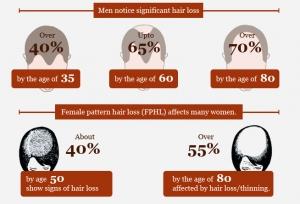
Nearly 80 percent will experience some loss by age 60, but there are ways to minimize the damage
Women's Hair Loss & Self - Esteem: 4 Things To Know!

Hair: it seems to be such a short and simple word. It can symbolize many things such as beauty, youth, confidence, style, and even fertility. This is why for a woman who’s losing her hair it can be quite devastating. Some people may say “It’s only hair”. This is simply not the case for a woman experiencing hair loss or thinning. Even Rosie O’Donnell recently tweeted a picture of her hair loss struggles saying “male pattern baldness...aging is fun”. But seriously, whether it’s permanent, or temporary due to a medical condition, hereditary, or stress-related, it can have a major impact on a woman’s self-esteem. This can lead to a loss of self-confidence and self-worth. How do I know? I’ve seen it first hand for the past 21 years.
Women's Hair Loss and PCOS
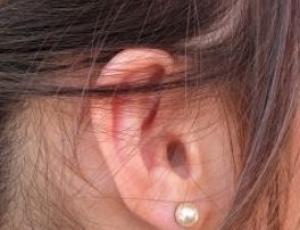
Women suffer more intensely from hair loss than from men. However, a lot of progress has been made in diagnosing the underlying cause of hair loss specifically for women.
Find Answers at Transitions Hair Solutions
Dealing with hair loss is never easy for anyone—and we understand that. We also know that it doesn’t have to be permanent. You can restore your hair, your image, and your self confidence—and you can do it all in the warm and comforting environment of Transitions Hair Solutions, working closely with our friendly and knowledgeable stylists.
Find out about the solutions that make the most sense for you. Make an appointment and schedule a private consultation with one of our stylists right now.
Latest News
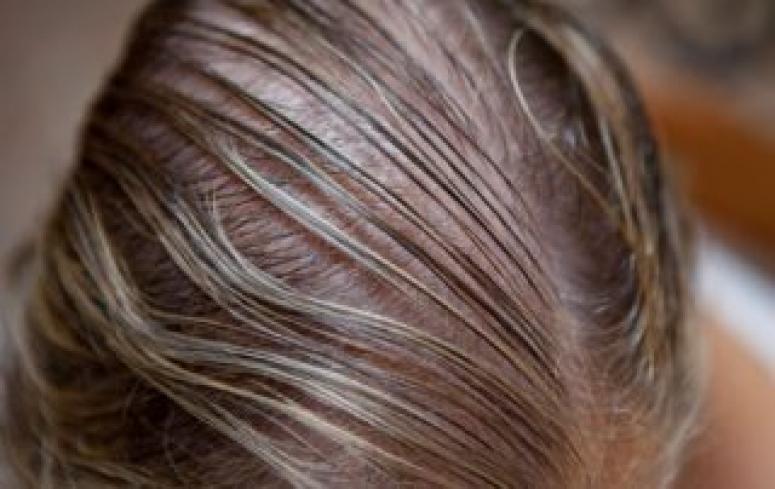
I've Finally Lost the Weight, But Now I am Losing My Hair
This is the story of a young woman we will call Melody for this story... Melody finally reached her weight loss goals and was thrilled, but soon after she began to notice that her hair was falling out. She had heard this could happen, so she did not panic at first. Rather she began using over the counter supplements and other hair products products that she could buy from her local grocery store, but in the end none of them really seem to work.
Featured News
Alopecia Awareness Month: What is Alopecia?
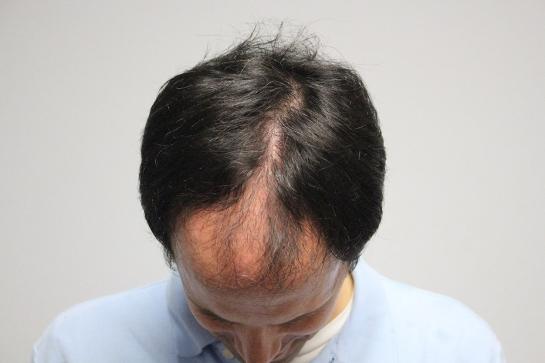
September is Alopecia Awareness Month. Many people ask me what is alopecia exactly? The word alopecia itself is the medical term for hair loss. It does not refer to one specific form of hair loss. Any form of hair loss is alopecia. I’ve been helping people young and old with various types of alopecia for decades. I’ve seen it all. There are a few distinct categories of alopecia. Let me break down a few of them.