Super User


CNC Hair System at Transitions - Malin's Story

Hair System Helps Woman Recover After Cancer Treatment
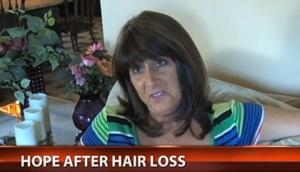
Hair Replacement for Chemo & Radiation Therapy Patients


Alice Fleck, Wall Township NJ

When I started looking for a new solution to my hair loss, my first concern was finding a company that truly understand what I am going through and can help me in finding a solution. Well, I found Transitions Hair Solutions and am so happy I did. I’ve been with this company for several years now, and I highly recommend them. There is no better company out there, in my opinion.
What causes hair loss?
According to the staff over at the Mayo Clinic:
"Most people normally shed 50 to 100 hairs a day. But with about 100,000 hairs in the scalp, this amount of hair loss shouldn’t cause noticeable thinning of the scalp hair. As people age, hair tends to gradually thin. Other causes of hair loss include hormonal factors, medical conditions and medications."
Hormonal Factors
The most common cause of hair loss is a hereditary condition called male-pattern baldness or female-pattern baldness. In genetically susceptible people, certain sex hormones trigger a particular pattern of permanent hair loss. Most common in men, this type of hair thinning can begin as early as puberty.
Hormonal changes and imbalances can also cause temporary hair loss. This could be due to pregnancy, childbirth, discontinuation of birth control pills or the onset of menopause.
Medical Conditions
A variety of medical conditions can cause hair loss, including:
Thyroid problems.
The thyroid gland helps regulate hormone levels in your body. If the gland isn’t working properly, hair loss may result.
Alopecia areata.
This disease occurs when the body’s immune system attacks hair follicles — causing smooth, roundish patches of hair loss.
Scalp infections.
Infections, such as ringworm, can invade the hair and skin of your scalp, leading to hair loss. Once infections are treated, hair generally grows back.
Other skin disorders.
Diseases that can cause scarring, such as lichen planus and some types of lupus, can result in permanent hair loss where the scars occur. Medications
Hair loss can be caused by drugs used to treat:
- Cancer
- Arthritis
- Depression
- Heart problems
- High blood pressure
Other Causes of Hair Loss
Hair loss can also result from:
A physical or emotional shock.
Many people experience a general thinning of hair several months after a physical or emotional shock. Examples include sudden or excessive weight loss, a high fever, or a death in the family.
Hair-pulling disorder.
This mental illness causes people to have an irresistible urge to pull out their hair, whether it’s from the scalp, their eyebrows or other areas of the body. Hair pulling from the scalp often leaves patchy bald spots on the head.
Certain hairstyles.
Traction hair loss can occur if the hair is pulled too tightly into hairstyles such as pigtails or cornrows.
Losing your hair to alopecia changes you

Malin Mumford first noticed it on Valentine's Day of 2014, as she got ready for a date night with her husband.
Something wasn't quite right with the hair above her ear.
"It just looked different," the Ocean Grove resident recalled. "After a little while, I realized I was losing my hair. I had bald spots."
Find Answers at Transitions Hair Solutions
Dealing with hair loss is never easy for anyone—and we understand that. We also know that it doesn’t have to be permanent. You can restore your hair, your image, and your self confidence—and you can do it all in the warm and comforting environment of Transitions Hair Solutions, working closely with our friendly and knowledgeable stylists.
Find out about the solutions that make the most sense for you. Make an appointment and schedule a private consultation with one of our stylists right now.
Latest News
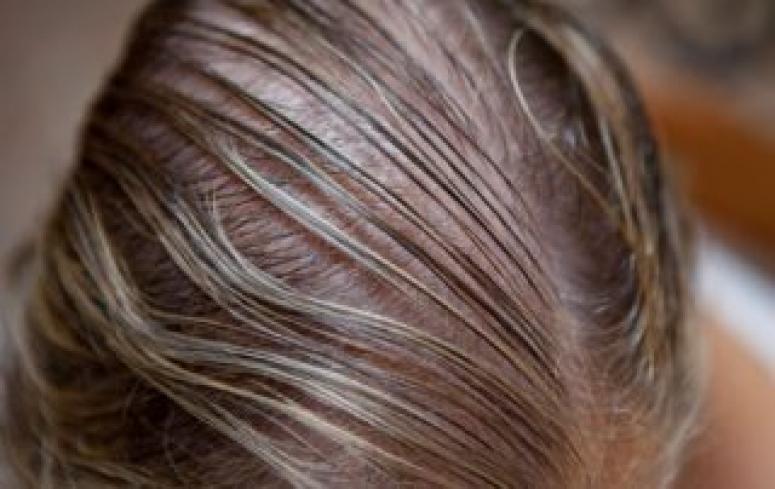
I've Finally Lost the Weight, But Now I am Losing My Hair
This is the story of a young woman we will call Melody for this story... Melody finally reached her weight loss goals and was thrilled, but soon after she began to notice that her hair was falling out. She had heard this could happen, so she did not panic at first. Rather she began using over the counter supplements and other hair products products that she could buy from her local grocery store, but in the end none of them really seem to work.
Featured News
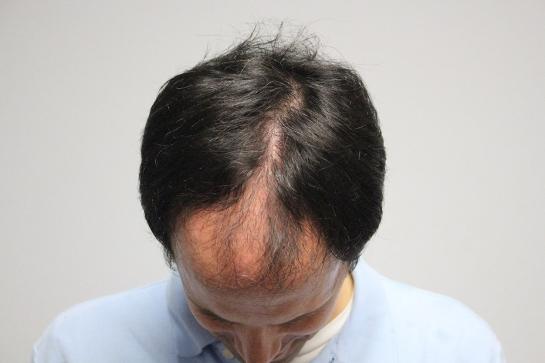
Alopecia Awareness Month: What is Alopecia?
September is Alopecia Awareness Month. Many people ask me what is alopecia exactly? The word alopecia itself is the medical term for hair loss. It does not refer to one specific form of hair loss. Any form of hair loss is alopecia. I’ve been helping people young and old with various types of alopecia for decades. I’ve seen it all. There are a few distinct categories of alopecia. Let me break down a few of them.