Displaying items by tag: Winter Hair
6 Ways to Avoid Dry, Brittle Hair this Winter
Winter is here! This means the holiday season, parties, and for some even outdoor snow activities. Unfortunately, the colder weather can also mean dry hair and scalps. Clients often come to me at Transitions Hair Solutions with changing hair conditions during the winter months. We always seem to remember to focus on our dry skin, but so many of us forget about our hair and scalps. Both are affected by weather changes. The cold weather can result in our hair and scalps becoming dry, brittle, and damaged due to lack of moisture in the hair and some poor hair care practices. Here are some tips to maintain the best possible hair and scalp health during this winter season:
Find Answers at Transitions Hair Solutions
Dealing with hair loss is never easy for anyone—and we understand that. We also know that it doesn’t have to be permanent. You can restore your hair, your image, and your self confidence—and you can do it all in the warm and comforting environment of Transitions Hair Solutions, working closely with our friendly and knowledgeable stylists.
Find out about the solutions that make the most sense for you. Make an appointment and schedule a private consultation with one of our stylists right now.
Latest News
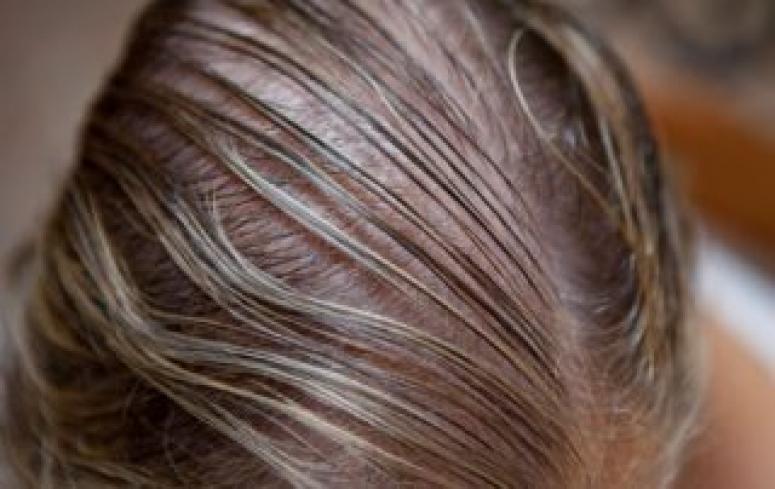
I've Finally Lost the Weight, But Now I am Losing My Hair
This is the story of a young woman we will call Melody for this story... Melody finally reached her weight loss goals and was thrilled, but soon after she began to notice that her hair was falling out. She had heard this could happen, so she did not panic at first. Rather she began using over the counter supplements and other hair products products that she could buy from her local grocery store, but in the end none of them really seem to work.
Featured News
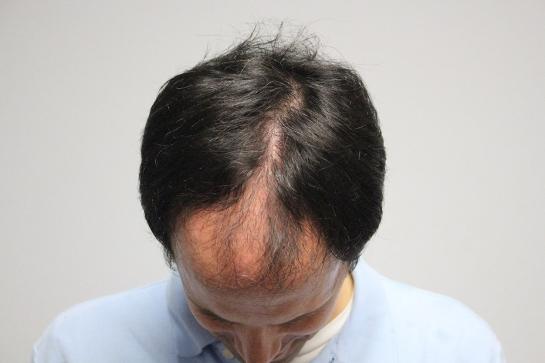
Alopecia Awareness Month: What is Alopecia?
September is Alopecia Awareness Month. Many people ask me what is alopecia exactly? The word alopecia itself is the medical term for hair loss. It does not refer to one specific form of hair loss. Any form of hair loss is alopecia. I’ve been helping people young and old with various types of alopecia for decades. I’ve seen it all. There are a few distinct categories of alopecia. Let me break down a few of them.