Displaying items by tag: Hair Loss
Pregnancy Ruined My Hair—And a Year Later I’m Still Pissed

Now, I'm on a mission to get my old hair back.
When I was growing up, my hair was so thick that I’d bust through several packs of hair ties a week because they’d always break by the second loop. In my early teenage years, a lot of my friends were dyeing their hair with semi-permanent color and Sun-In, but I prided myself on keeping my hair’s virginity. Ah, those were the days.
How Should You Treat Thinning Hair?
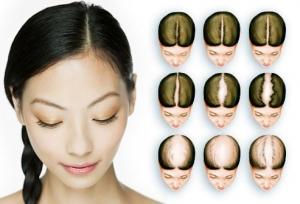
First, find the cause. Determine if it’s a medical condition and check your medications. For example, medications for the treatment of cancer, depression, heart disease, arthritis and high blood pressure can contribute to thinning hair and hair loss.
How Do You View Hair Loss?

It is rare to simply wake up one day and find that you have no hair. Hair loss is usually a gradual process unless a disease is present or you have undergone chemotherapy treatments.
At a Loss About Hair Loss?

For information on hair loss treatments go to Hair Loss Remedies and Treatments or you can also navigate this site by using the links on the left. You might also like to check out the products we have that conceal hair loss at Hair Loss Concealers and Hair Enhancers.
The Woman In The Mirror

I got up this morning and as usual, could not avoid the face staring back at me. She (me), looked old and to top it off one side of my hair has thinned out. This process has been happening for quite some time but it looked especially awful this morning.
How to Live a Positive Life with Hair Loss

Different people deal differently with hair loss. Women tend to be much more emotional and vocal about hair loss as her hair is a woman’s crowning glory. Without it women don’t feel beautiful and they lose self-esteem. It can cause serious depression and make one hide from the world.
Does my hair loss mean I have a thyroid condition?
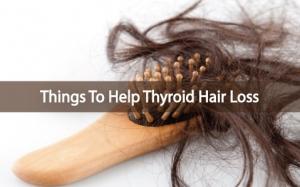
“According to the Academy of Dermatology, almost half of the American population experiences thinning hair by the age of 40, but people with certain thyroid conditions may start to lose their hair even earlier and more quickly,” reported Foxnews.com.
What Causes Hair Loss - and What You Can Do About It?

The words “hair loss” typically bring to mind Rogaine ads and men with the textbook horseshoe hair pattern of baldness—not young women with seemingly flowy, waist-length hair. But it turns out that the condition of hair loss does not discriminate—it can happen to anyone, at just about any age.
Proper Nutrition Essentials for Healthy Hair

We all know how difficult it can get to eat right as the holiday season approaches, so it’s a good time to talk about this now. Proper nutrition doesn’t just affect how you feel on the inside, it also affects how you look on the outside. And who doesn’t want to look their best at holiday functions? Well, your hair is a big part of your overall look. Many people say it’s one of the first things they notice after your eyes.
Find Answers at Transitions Hair Solutions
Dealing with hair loss is never easy for anyone—and we understand that. We also know that it doesn’t have to be permanent. You can restore your hair, your image, and your self confidence—and you can do it all in the warm and comforting environment of Transitions Hair Solutions, working closely with our friendly and knowledgeable stylists.
Find out about the solutions that make the most sense for you. Make an appointment and schedule a private consultation with one of our stylists right now.
Latest News
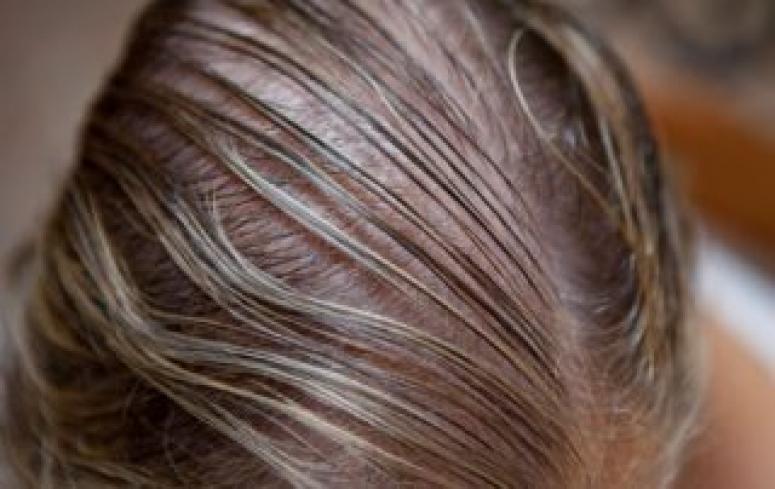
I've Finally Lost the Weight, But Now I am Losing My Hair
This is the story of a young woman we will call Melody for this story... Melody finally reached her weight loss goals and was thrilled, but soon after she began to notice that her hair was falling out. She had heard this could happen, so she did not panic at first. Rather she began using over the counter supplements and other hair products products that she could buy from her local grocery store, but in the end none of them really seem to work.
Featured News
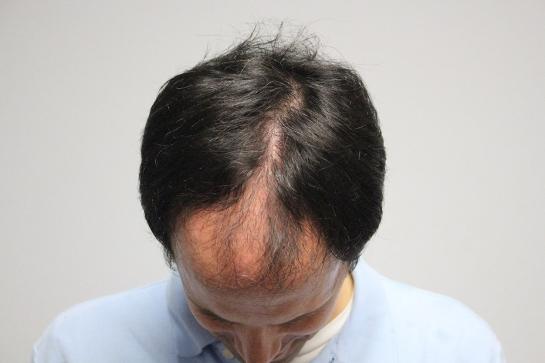
Alopecia Awareness Month: What is Alopecia?
September is Alopecia Awareness Month. Many people ask me what is alopecia exactly? The word alopecia itself is the medical term for hair loss. It does not refer to one specific form of hair loss. Any form of hair loss is alopecia. I’ve been helping people young and old with various types of alopecia for decades. I’ve seen it all. There are a few distinct categories of alopecia. Let me break down a few of them.